

Sustainable Horticulture: How Cocopeat Supports More Efficient Plant Production
Sustainability has become an important consideration across the horticulture industry.
Growers are looking for ways to produce more plants and food while managing water, nutrients, growing media and other resources more efficiently.
One material receiving increasing attention is cocopeat, a horticultural growing medium produced from coconut husks.
Turning a Coconut By-Product into a Valuable Resource
Coconut processing generates several useful materials.
The husk contains fibres that can be processed into products such as coir fibre. The finer material left after fibre extraction can be processed into cocopeat.
This gives cocopeat an important resource-efficiency advantage: a material generated during coconut processing can be transformed into a useful horticultural input.
Rather than viewing the material simply as a waste stream, modern processing allows it to become part of the agricultural supply chain.
Supporting Better Water Management
Water is one of the most important resources in horticulture.
Growing media influence how much water is retained around plant roots and how frequently irrigation is required.
Cocopeat’s moisture-retention characteristics make it useful in systems where irrigation needs to be carefully managed.
In controlled greenhouse production, growers can combine coco-based media with drip irrigation and fertigation to deliver water and nutrients directly to the root zone.
Lightweight and Efficient to Transport
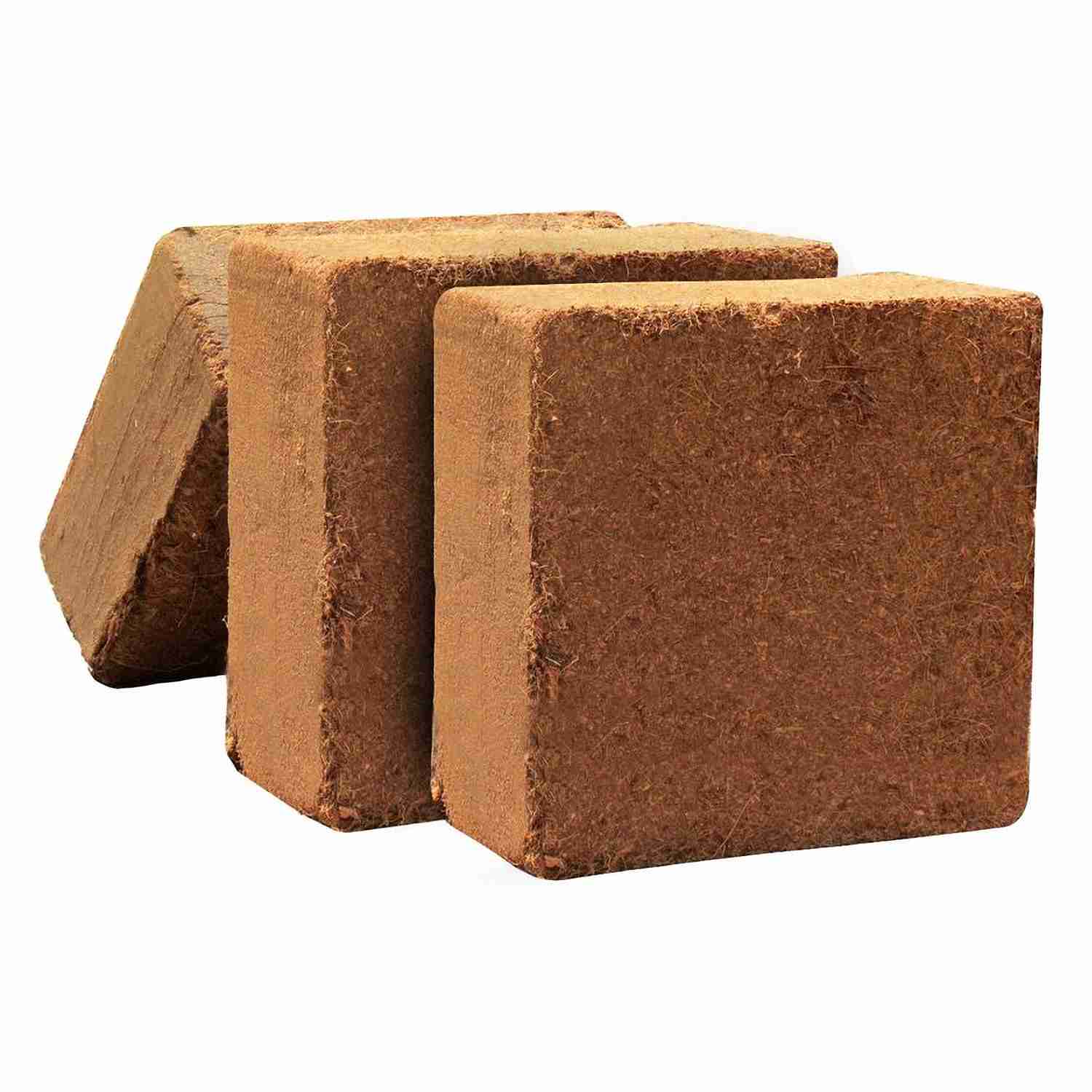
Dry cocopeat can be compressed significantly.
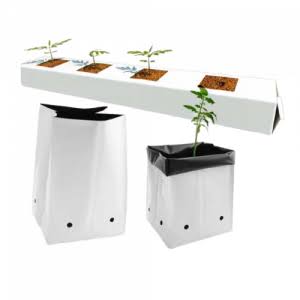
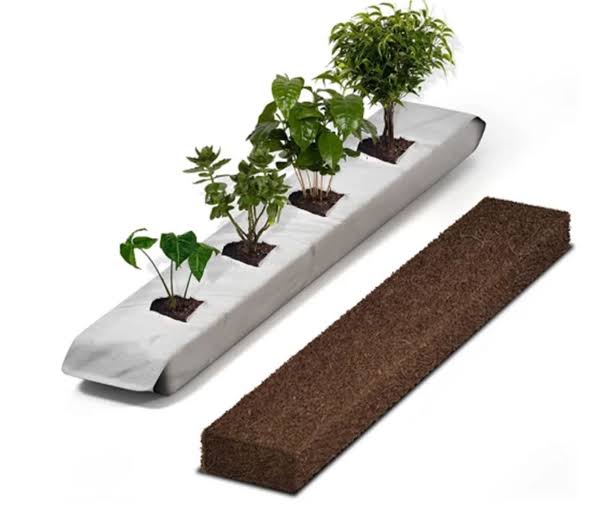
Products such as compressed blocks, briquettes and grow slabs can therefore be transported and stored efficiently before hydration.
This provides practical benefits for international horticultural supply chains and commercial growers.
Once hydrated, the material expands substantially and becomes a loose growing medium.
Supporting Soilless Cultivation
Soilless cultivation allows growers to control the physical root environment more closely.
Instead of relying on field soil, crops can be grown in engineered media with carefully managed irrigation and nutrition.
Cocopeat is particularly suitable for this approach because its physical characteristics can be controlled through particle selection and processing.
Combining Cocopeat with Other Materials
Sustainable horticulture does not necessarily mean using one material exclusively.
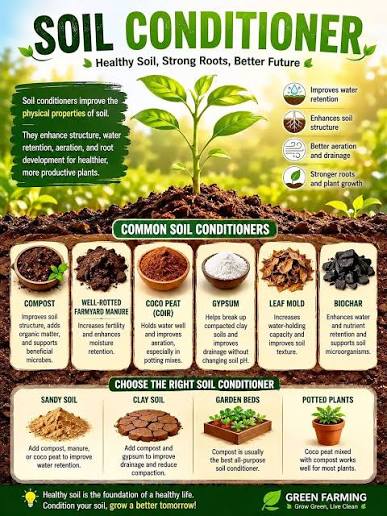
Cocopeat can be combined with other growing-media components to create a product specifically designed for a crop.
For example, growers may use combinations involving:
- Cocopeat
- Coco chips
- Perlite
- Vermiculite
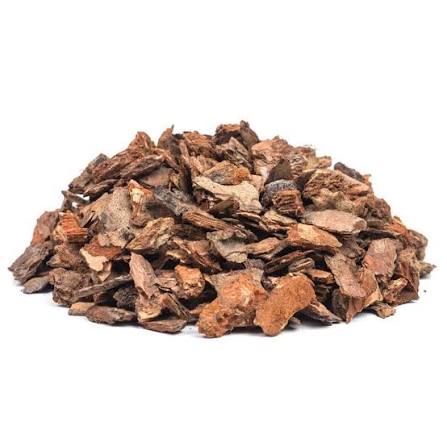
- Bark
- Compost
- Other renewable or recycled growing-media components
The objective is to create the appropriate balance between water retention, drainage, aeration, stability and nutrient management.
Cocopeat and Peat Reduction
Peat has traditionally played an important role in horticulture, but concerns surrounding peatland ecosystems have encouraged the industry to investigate alternative materials.
Cocopeat is one of the materials being used as a peat alternative or as part of peat-reduced growing media.
Its adoption does not mean every cocopeat product is automatically environmentally superior in every situation. Transportation, processing, washing, packaging and product quality all matter when considering environmental performance.
Nevertheless, using an agricultural by-product as a horticultural resource is an important part of the broader circular-economy conversation.
Quality Is Part of Sustainability
A sustainable product also needs to perform consistently.
Poor-quality growing media can result in inefficient irrigation, nutrient problems, inconsistent crop growth and product waste.
For this reason, responsible cocopeat production should focus on:
- Consistent raw materials
- Proper processing
- Appropriate washing
- Quality testing
- pH and EC control
- Crop-specific formulations
- Efficient packaging
- Reliable supply chains
Good quality control helps growers obtain predictable results and use resources more efficiently.
Cocopeat for the Future of Horticulture
The future of horticulture is likely to involve a combination of better genetics, controlled environments, precision irrigation, efficient fertilization and improved growing media.
Cocopeat can play an important role within this system.
Its combination of moisture retention, porosity, lightweight handling, versatility and renewable origin makes it an attractive material for many horticultural applications.
Conclusion
Sustainable horticulture is not about one product or one technology.
It is about finding better ways to use resources while maintaining plant quality and productivity.
Cocopeat provides growers with a versatile growing-medium option that can support efficient root-zone management and make productive use of coconut-processing by-products.
Better growing media can contribute to better resource management—and cocopeat has an important role to play in that future.