

Cocopeat in Organic Farming: Supporting Healthier Soil and Better Plant Growth
Organic farming focuses on building productive agricultural systems while managing soil, water, nutrients and biological resources responsibly.
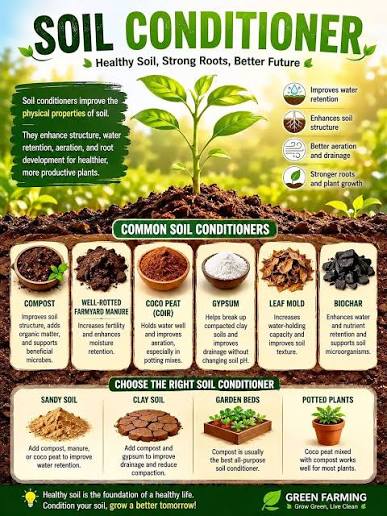
Within this approach, growing media and soil-conditioning materials can play an important role. Cocopeat, produced from processed coconut husks, is increasingly used in nurseries, vegetable production, container cultivation and soil-management programmes.
Although cocopeat is not a fertilizer by itself, it can contribute to the physical environment in which plants and roots grow.
What Is Cocopeat?
Cocopeat, also called coco coir or coir pith, is produced from coconut husks.
During the processing of coconut fibre, a fine material remains. This material can be cleaned, processed, dried and compressed into horticultural products.
Depending on processing and particle size, cocopeat can be supplied as:
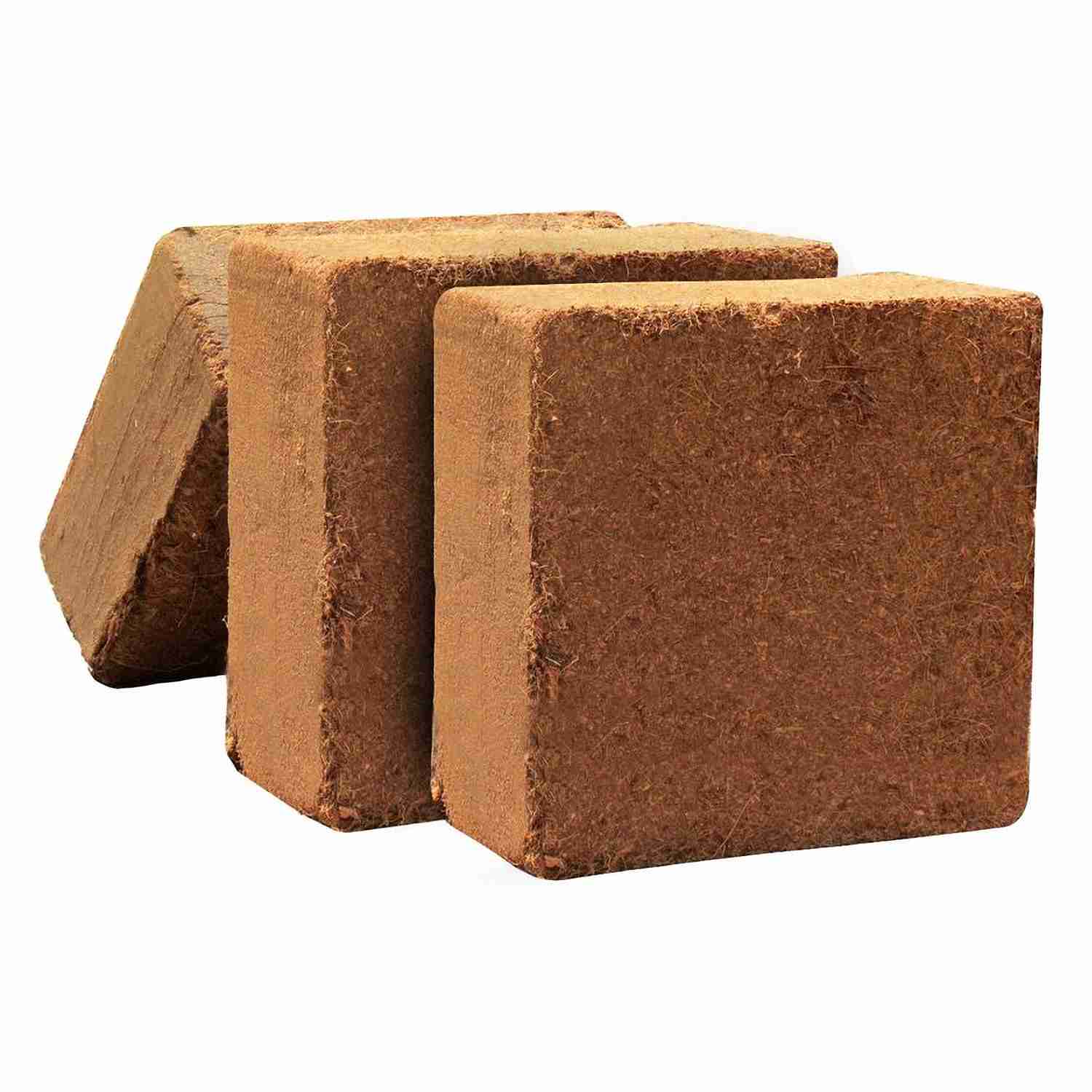
- Compressed blocks
- Briquettes
- Loose cocopeat
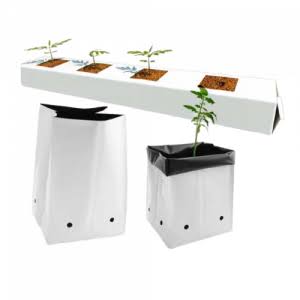
- Grow bags
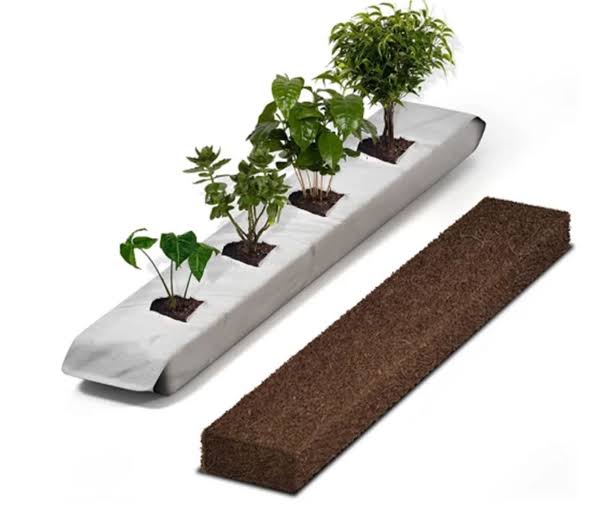
- Grow slabs
- Coco chips
- Blended growing media
How Can Cocopeat Support Organic Farming?
Organic farming depends heavily on maintaining good soil structure and creating favourable conditions for plant growth.
Cocopeat can contribute to this by improving the physical characteristics of a growing medium.
Its porous structure can help provide:
Moisture retention:
Cocopeat can hold water around the root zone, helping maintain moisture between irrigation or rainfall events.
Aeration:
Its structure can provide air spaces around roots, which are important for healthy root activity.
Improved physical structure:
When incorporated appropriately into certain soils or growing media, cocopeat can help create a lighter and more workable substrate.
Cocopeat and Organic Fertilizers
One of the most useful applications is combining cocopeat with appropriate organic nutrient sources.
For example, growers may formulate growing media using combinations of:
- Cocopeat
- Compost
- Vermicompost
- Well-processed organic amendments
- Organic fertilizers
- Coco chips
- Other approved growing-media materials
Cocopeat provides the physical growing environment, while organic fertilizers and amendments provide nutrients.
This distinction is important.
Cocopeat should not be considered a substitute for a crop’s nutrient programme.
Supporting Root Development
A healthy root system is fundamental to productive organic farming.
Roots need:
- Water
- Oxygen
- Physical space
- Nutrients
- Appropriate temperature
- A favourable biological environment
A well-structured coco-based growing medium can help provide the physical conditions necessary for root development.
For seedlings and young plants, this can be particularly valuable because their root systems are still developing.
Cocopeat in Organic Seedling Production
Many organic farms begin production in nurseries before transplanting crops into the field.
Cocopeat can be used in propagation trays and containers for crops such as:
- Tomatoes
- Peppers
- Cucumbers
- Lettuce
- Cabbage
- Cauliflower
- Herbs
- Ornamentals
The material can be combined with suitable organic components where the relevant certification and production standards permit their use.
Water Management in Organic Agriculture
Water efficiency is becoming increasingly important for farmers.
Cocopeat’s water-retention characteristics can be useful in container and protected cultivation.
When combined with drip irrigation, growers can deliver water close to the root zone and manage irrigation more precisely.
This can help reduce unnecessary water movement outside the crop’s effective root zone.
Important Consideration: Organic Certification
Using a natural or plant-derived product does not automatically mean that the product is certified for organic production.
Farmers selling certified organic produce should ensure that all inputs comply with the applicable organic certification requirements in their market.
They should also check the specifications and processing history of the cocopeat being purchased.
Conclusion
Cocopeat can contribute to organic farming by providing a useful physical component for growing media, propagation and selected soil-management applications.
Its greatest contribution is not as a fertilizer, but as a material that can help create a favourable root environment.
When combined with appropriate organic nutrient sources, responsible irrigation and good soil-management practices, cocopeat can become a valuable component of a modern organic horticulture system.