

Cocopeat for Vegetable Farming: From Seedling Production to Harvest
Vegetable production requires careful management from the moment a seed germinates until the crop reaches harvest.
Water, nutrients, root development, temperature and growing-medium structure all influence plant performance.
Cocopeat can support several stages of vegetable production, particularly nursery propagation, container cultivation, greenhouse production and soilless growing.
Starting with Strong Seedlings
A successful vegetable crop often begins with strong seedlings.
Seeds need an environment that provides sufficient moisture while allowing emerging roots to access oxygen.
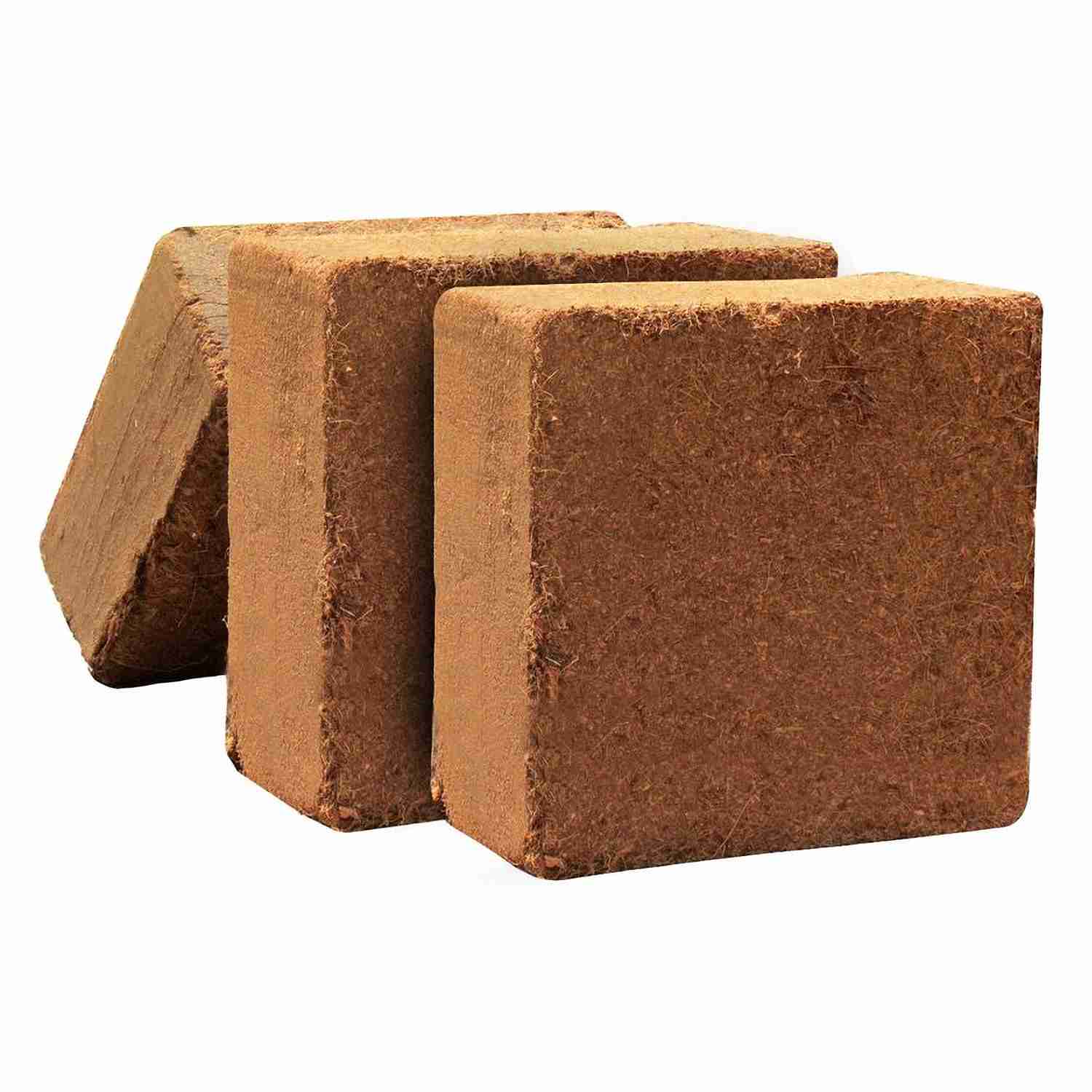
Cocopeat can be used as a component of propagation media because of its moisture-retention and porous characteristics.
It is suitable for nursery production of vegetables such as:
- Tomato
- Cucumber
- Pepper
- Chilli
- Lettuce
- Cabbage
- Cauliflower
- Broccoli
- Melon
- Herbs
Cocopeat for Tomato Production
Tomatoes are widely grown in protected and controlled environments.
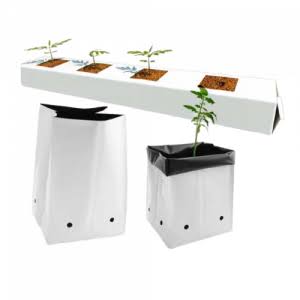
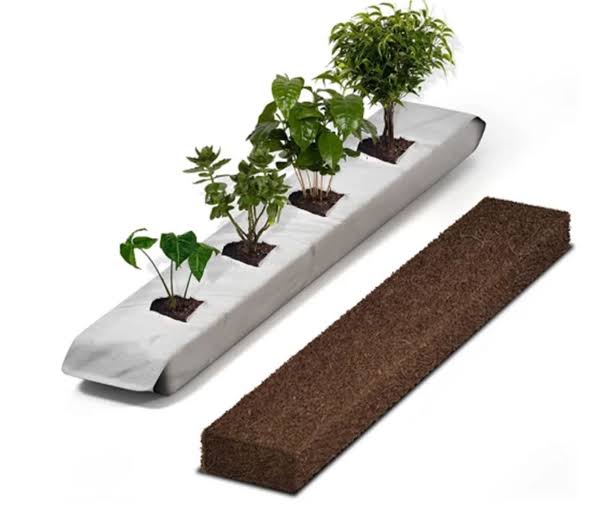
Coco-based grow bags and slabs can be used as a root-zone medium in greenhouse tomato production.
In these systems, growers can manage:
- Irrigation
- Fertigation
- Drainage
- EC
- pH
- Root-zone moisture
The physical characteristics of the cocopeat influence how frequently irrigation needs to be applied.
Cocopeat for Cucumbers
Cucumber plants have high water requirements and respond strongly to root-zone conditions.
Coco-based growing media can provide moisture retention while maintaining air spaces around the roots.
This can be particularly useful in greenhouse systems where irrigation is delivered through drip lines.
Cocopeat for Leafy Vegetables
Leafy vegetables such as lettuce and herbs can also be grown in coco-based media.
For container and protected production, cocopeat can provide a lightweight and manageable growing environment.
Where crops are grown in organic systems, the grower must ensure that the complete growing medium and nutrient programme comply with applicable certification requirements.
Using Cocopeat in Vegetable Seedling Trays
For commercial nurseries, consistency is extremely important.
A good propagation medium should have:
- Consistent particle size
- Suitable water retention
- Good drainage
- Adequate aeration
- Appropriate pH
- Controlled EC
- Good physical stability
Cocopeat can be processed to provide different particle sizes depending on the application.
Combining Cocopeat with Other Materials
Vegetable growers do not always need to use 100% cocopeat.
Different crops can benefit from different substrate formulations.
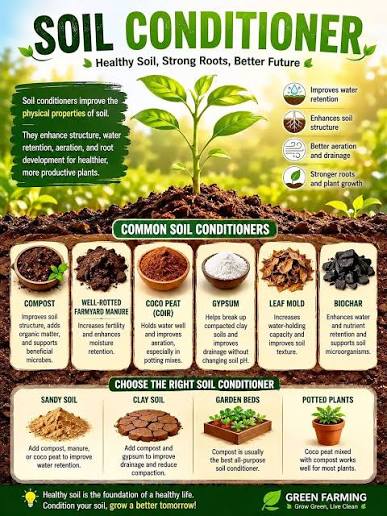
For example, cocopeat can be blended with:
- Perlite
- Coco chips
- Compost
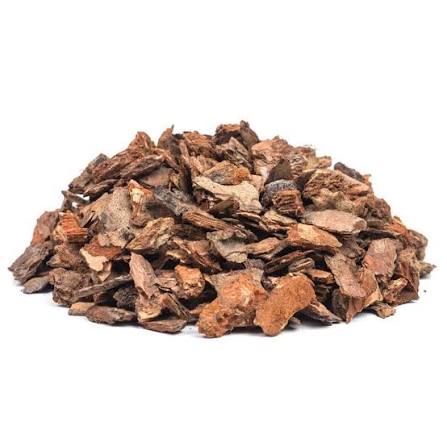
- Bark-based materials
- Vermiculite
- Other horticultural substrates
The purpose of blending is to achieve the desired balance between water retention, drainage and air-filled porosity.
Cocopeat and Fertigation
In commercial greenhouse production, cocopeat is often used together with fertigation.
Water and dissolved nutrients are delivered directly to the root zone.
This provides growers with greater control over crop nutrition compared with relying entirely on natural soil fertility.
However, the nutrient programme must be designed according to the crop and its growth stage.
Reducing Dependence on Field Soil
Soilless vegetable production allows crops to be grown in locations where field soil is unsuitable or where disease management makes soil cultivation difficult.
Grow bags and slabs can also provide a standardized root-zone environment.
This is one reason coco-based systems have become increasingly popular in intensive horticulture.
What Should Vegetable Growers Check?
Before purchasing cocopeat, commercial growers should ask suppliers about:
- pH
- EC
- Particle size
- Moisture content
- Expansion ratio
- Water-holding capacity
- Air-filled porosity
- Sodium and chloride levels
- Washing and buffering process
- Batch consistency
Conclusion
Cocopeat can support vegetable production from nursery propagation through greenhouse cultivation.
Its ability to retain moisture while maintaining useful porosity makes it suitable for many vegetable-growing systems.
When combined with accurate irrigation, appropriate nutrition and good crop management, cocopeat can help growers create a controlled and productive root environment.