

Cocopeat for Fruit Crops: Improving Root-Zone Management in Modern Fruit Production
Fruit production requires long-term attention to plant health, root development, irrigation and nutrition.
From strawberry production to greenhouse-grown fruiting crops, the root environment has a major influence on plant performance.
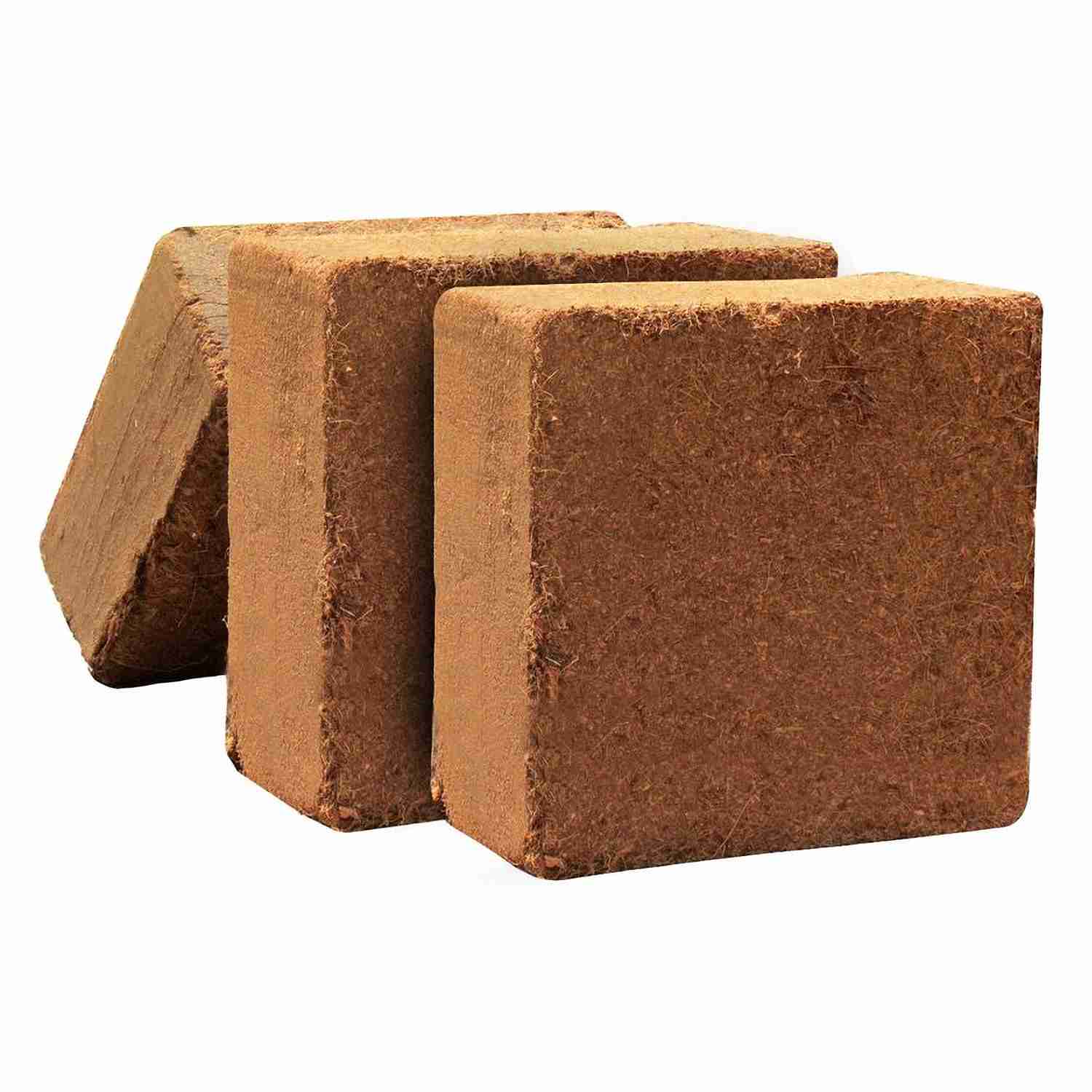
Cocopeat can be used in several fruit-production systems, particularly containers, raised beds, nurseries and protected cultivation.
Why the Root Zone Matters
A fruit-producing plant needs a healthy root system to support vegetative growth and fruit development.
Roots require:
- Water
- Oxygen
- Nutrients
- Suitable physical structure
- Adequate space
- Appropriate temperature
If the growing medium becomes excessively dry or waterlogged, root function can be affected.
Cocopeat can help create a balance between moisture retention and aeration when appropriately processed and used.
Cocopeat in Strawberry Production
Strawberries are one of the fruit crops commonly associated with substrate-based cultivation.
Commercial growers may use containers, troughs, hanging systems or raised growing structures.
Coco-based media can be useful in these systems because it is lightweight and can provide a suitable root environment.
The growing medium can also be managed through drip irrigation and fertigation.
Cocopeat for Nursery Fruit Plants
Fruit trees and plants often begin their commercial life in nurseries.
Young plants require a growing medium that supports root development while being easy to handle and transport.
Cocopeat can be incorporated into nursery growing media for a range of fruit plants.
Depending on the crop, it may be blended with other materials to create the required physical characteristics.
Protected Fruit Production
Greenhouse and protected cultivation systems allow growers to control environmental conditions more closely.
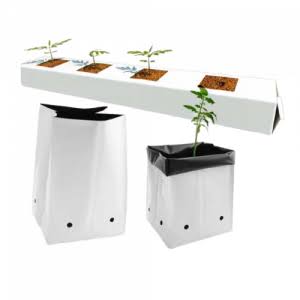
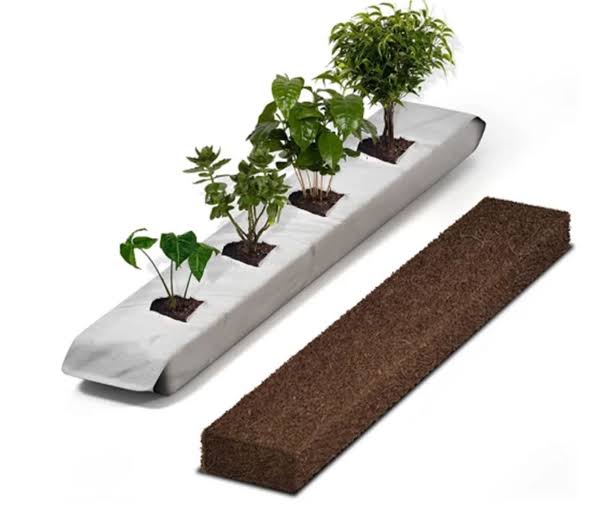
Cocopeat can be used in grow bags, containers and other growing systems for selected fruit crops.
The grower can monitor:
- Root-zone moisture
- Drainage
- Nutrient concentration
- Irrigation frequency
- EC
- pH
This level of control can be particularly valuable for high-value fruit production.
Cocopeat and Water Management
Fruit crops can have significant water requirements, particularly during periods of rapid vegetative growth and fruit development.
Cocopeat can retain moisture in the root zone while maintaining air spaces.
This means irrigation can be managed according to the crop’s requirements rather than allowing the root zone to become excessively dry between irrigation events.
The exact irrigation strategy should always be adjusted according to crop, climate, container size, substrate properties and plant development.
Cocopeat as Part of a Growing-Media Blend
Fruit growers may use cocopeat in combination with other components.
For example:
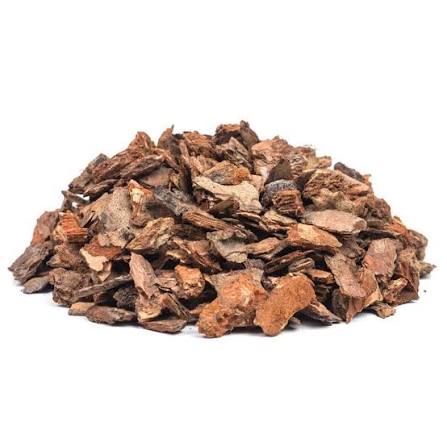
Cocopeat + coco chips
Can provide a combination of fine moisture-retaining material and larger particles that contribute to air space.
Cocopeat + perlite
Can be used when increased aeration and drainage are required.
Cocopeat + composted organic materials
Can provide a growing medium with both physical and organic components, subject to crop requirements and applicable organic-production rules.
Nutrient Management
Cocopeat itself should not be viewed as a complete fertilizer.
Fruit crops have specific nutritional requirements, especially during flowering and fruit development.
Growers should therefore use an appropriate nutrient programme based on:
- Crop
- Growth stage
- Water quality
- Substrate characteristics
- Plant analysis
- Drainage analysis
- Production objectives
Quality Is Essential
Fruit crops can remain in their growing medium for extended periods, making substrate consistency particularly important.
Professional growers should consider the supplier’s:
- Quality-control procedures
- EC and pH testing
- Particle-size consistency
- Washing process
- Buffering process
- Packaging quality
- Batch traceability
Conclusion
Cocopeat can contribute to modern fruit production by providing a lightweight and moisture-managing root-zone medium.
Its use is particularly valuable in container, nursery, protected and substrate-based production.
When combined with suitable irrigation and nutrition programmes, cocopeat can help growers maintain a more controlled root environment and support consistent fruit production.