

Cocopeat and Soil Health: How It Can Contribute to Sustainable Fruit and Vegetable Farming
Healthy soil is the foundation of productive agriculture.
Farmers growing fruits and vegetables need soil that provides adequate structure, moisture, drainage, oxygen and conditions that support healthy roots.
Organic matter management, crop rotation, composting, cover crops and responsible irrigation all contribute to soil health.
Cocopeat can also have a role in selected soil and growing-media applications.
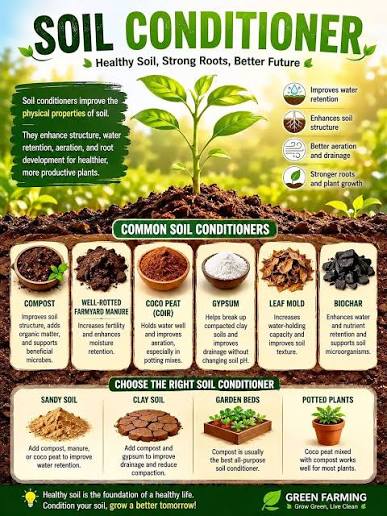
Cocopeat Is a Soil Conditioner, Not a Fertilizer
One of the most important things to understand is the role cocopeat plays.
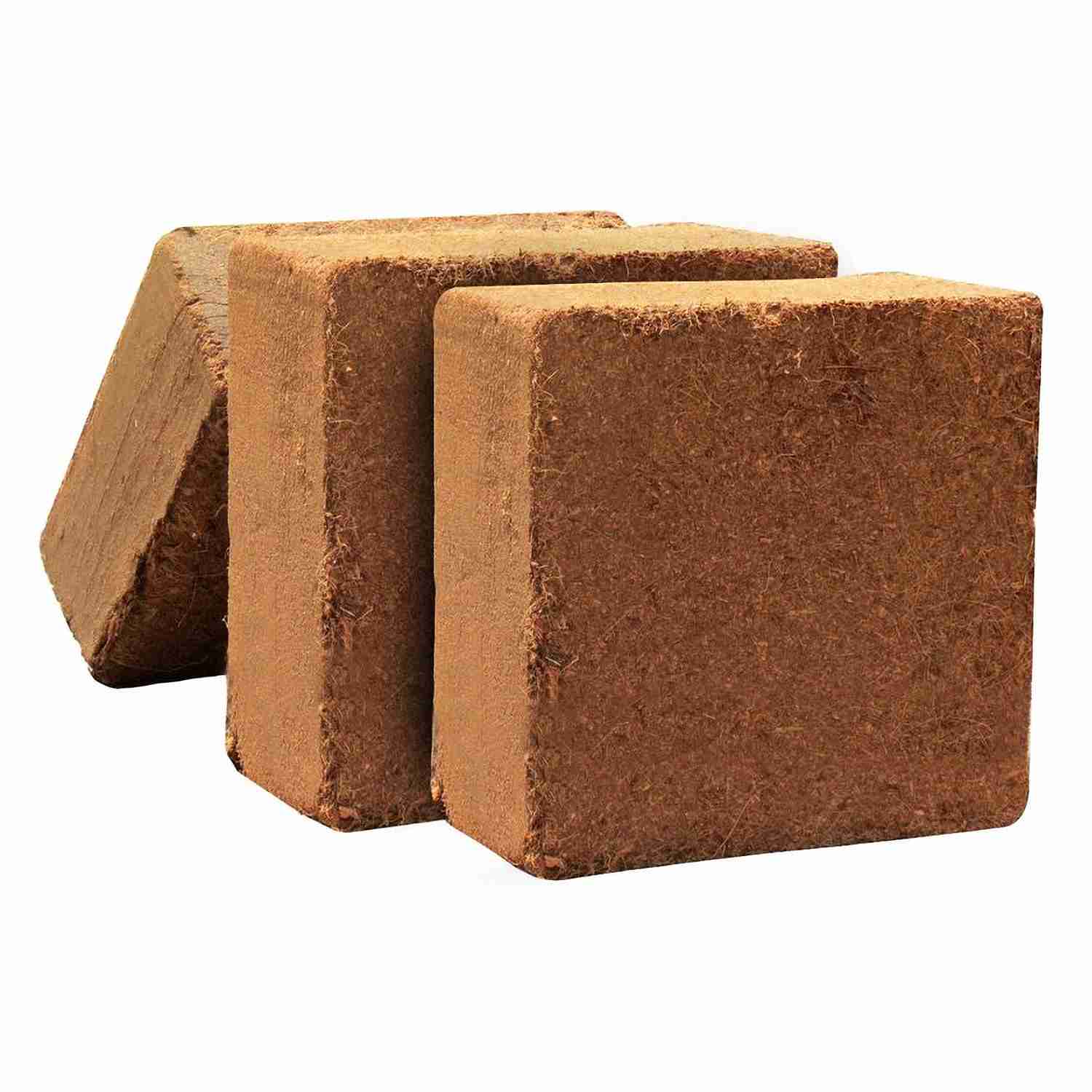
Cocopeat primarily contributes to the physical properties of a growing medium.
It is not a complete fertilizer and should not replace a crop’s nutrient-management programme.
Its potential contribution is mainly associated with:
- Moisture retention
- Porosity
- Aeration
- Physical structure
- Root-zone management
Improving Moisture Management
Water availability is critical for vegetable and fruit production.
In soils with poor moisture-holding capacity, suitable organic materials can help create a more favourable physical environment.
Cocopeat can retain considerable amounts of water and can therefore be useful in certain soil and growing-media applications.
However, application should be based on soil characteristics rather than using a fixed quantity for every farm.
Supporting Better Soil Structure
Soils that are compacted or have poor physical structure can restrict root development.
Cocopeat’s fibrous structure can contribute to a lighter growing environment when used appropriately.
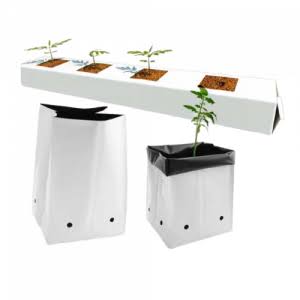
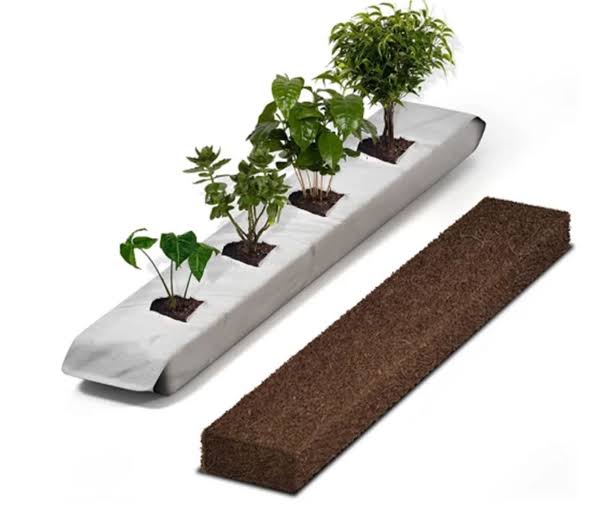
For container production and raised beds, cocopeat can be incorporated into growing-media formulations to improve physical characteristics.
Supporting Root Development
Plants cannot perform well if their roots cannot access the resources they need.
Healthy roots require a balance of:
Water + Oxygen + Nutrients + Space
Cocopeat can contribute particularly to the first two by helping maintain moisture while providing air spaces.
This can be beneficial for young vegetable plants and container-grown fruit crops.
Cocopeat and Compost
An interesting approach for sustainable horticulture is combining cocopeat with mature compost or other appropriate organic materials.
The two materials can perform complementary functions.
Cocopeat:
Primarily contributes physical structure and moisture management.
Compost:
Can contribute organic matter and nutrients while supporting biological activity, depending on its composition and maturity.
Together, they can form part of a growing-medium strategy for nursery and horticultural production.
Application in Vegetable Beds
Cocopeat can potentially be incorporated into raised beds or selected soil systems where improvement of physical properties is desired.
Vegetable crops that can benefit from well-structured root zones include:
- Tomatoes
- Peppers
- Cucumbers
- Courgettes
- Lettuce
- Carrots
- Beans
- Brassicas
The appropriate application rate depends on the existing soil, crop, climate and production system.
Application in Fruit Production
For fruit crops, cocopeat may be used in:
- Raised beds
- Containers
- Nursery media
- Strawberry production systems
- Protected cultivation
- Potting mixes
For established orchard soils, growers should consider the practicality and economics of incorporating large volumes of cocopeat into the field compared with using it in targeted root-zone or nursery applications.
Organic Farming Considerations
Farmers following certified organic production systems should distinguish between:
Natural origin and approved organic input.
A product can be naturally derived without automatically being approved under every organic certification standard.
Before using cocopeat in certified organic production, growers should confirm:
- Product composition
- Processing method
- Additives
- Washing/buffering materials
- Certification status
- Requirements of their certification body
A More Holistic Approach to Soil Health
Cocopeat should not be viewed as a standalone solution for soil health.
The strongest soil-management programmes combine multiple practices, such as:
- Compost application
- Crop rotation
- Cover crops
- Reduced soil disturbance
- Appropriate irrigation
- Organic matter management
- Integrated nutrient management
- Biological and ecological practices
Cocopeat can complement these practices where its physical properties are useful.
Conclusion
Cocopeat can make a valuable contribution to horticulture by improving the physical environment around plant roots.
For fruit and vegetable growers, its greatest value lies in moisture management, aeration and growing-media structure rather than direct nutrient supply.
When used alongside compost, appropriate organic amendments, responsible irrigation and good agricultural practices, cocopeat can become one component of a broader sustainable farming system.
Healthy plants begin with a healthy root environment—and good root-zone management is an important part of sustainable horticulture.