

Cocopeat vs. Traditional Growing Media: Why Growers Are Making the Change
The growing medium is one of the most important decisions in horticulture.
Roots need water, oxygen, physical support and access to nutrients. If the growing medium does not provide the right balance, plant growth can suffer regardless of how carefully the crop is managed.
Traditionally, horticultural production has relied on materials such as field soil, peat, bark and other substrates. Today, cocopeat is increasingly being used as an alternative or as part of blended growing media.
What Makes Cocopeat Different?
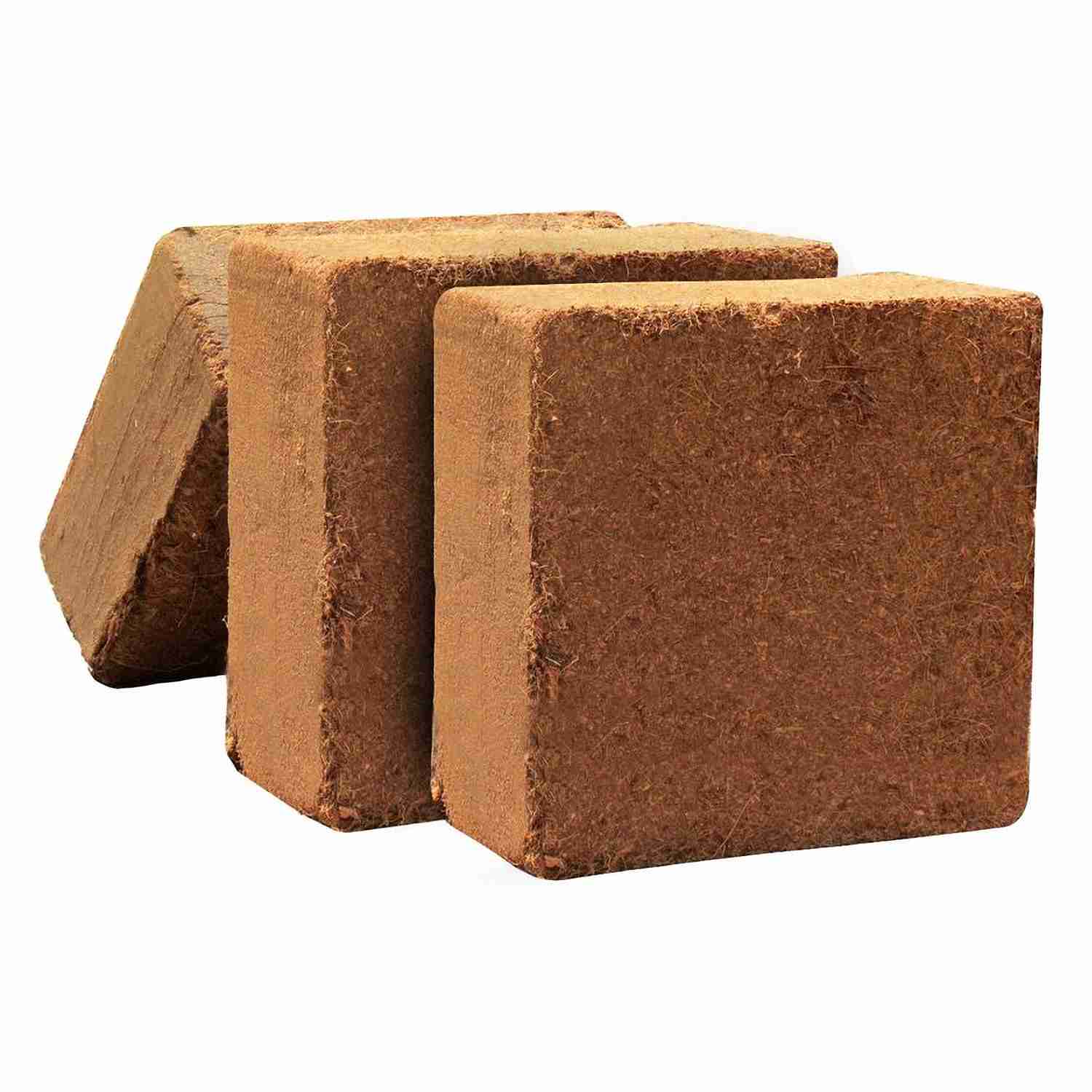
Cocopeat comes from coconut husks. After fibre extraction, the remaining coir pith can be processed for horticultural use.
Its physical structure makes it particularly interesting for growers looking for a medium capable of retaining moisture while maintaining useful porosity.
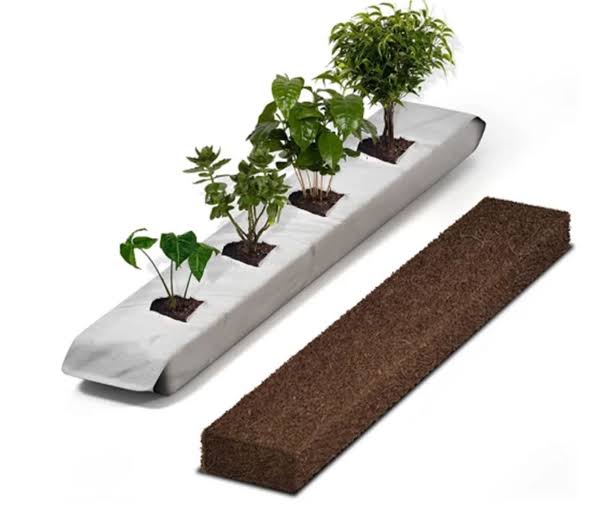
Compared with heavy mineral soils, cocopeat is lightweight and easy to transport, handle and use in containers.
Cocopeat and Peat
Cocopeat and peat can both be used in growing media, but they have different origins and characteristics.
Peat is harvested from peatlands, while cocopeat is derived from coconut husks.
Cocopeat has therefore become attractive to growers and manufacturers looking to reduce dependence on peat-based growing media.
However, the two materials are not identical.
Their water retention, aeration, pH and nutrient behaviour can vary depending on processing and formulation.
For this reason, professional growers should evaluate the specifications of the actual product rather than assuming that all growing media behave in the same way.
Water Management
Water management is one of the major reasons growers use cocopeat.
A good growing medium should retain enough water for plant roots while allowing excess water to drain away.
Cocopeat’s porous structure can provide this balance.
Particle size is particularly important.
Fine particles generally hold more water, while coarser particles and fibres can provide more air space.
Therefore, manufacturers can formulate different grades for different crops and cultivation systems.
Root Zone Management
The root zone is the foundation of healthy plant growth.
When roots receive adequate moisture and oxygen, they can develop a stronger and more functional root system.
Cocopeat can create a relatively stable physical environment around the roots, especially when the product is properly formulated and used with an appropriate irrigation strategy.
Cocopeat in Precision Horticulture
Modern greenhouse horticulture is increasingly data-driven.
Growers monitor:
- Irrigation volume
- Drainage
- EC
- pH
- Temperature
- Humidity
- Root-zone conditions
- Nutrient delivery
Cocopeat can work particularly well in these controlled production systems because irrigation and fertigation can be managed precisely.
This makes it useful for commercial crops where consistent growing conditions are important.
Is Cocopeat a Fertilizer?
No.
This is an important distinction.
Cocopeat primarily functions as a growing medium or growing-media component. Although it may contain naturally occurring minerals and nutrients, it should not automatically be treated as a complete source of plant nutrition.
Commercial growers generally use appropriate fertilizers or fertigation programmes based on crop requirements.
Why Product Quality Matters
The quality of cocopeat can vary considerably depending on the raw material, processing and washing or buffering procedures.
For professional applications, growers should consider:
- EC
- pH
- Particle-size distribution
- Moisture
- Expansion characteristics
- Water-holding capacity
- Air-filled porosity
- Sodium and chloride content
- Consistency between batches
This is especially important for greenhouse crops where growing-medium performance can directly influence irrigation and nutrient management.
The Future of Growing Media
The horticulture industry is moving toward growing systems that use resources more efficiently.
Cocopeat fits naturally into this trend because it combines useful physical properties with a renewable agricultural origin.
It is not necessarily a universal replacement for every growing medium. Instead, its greatest value comes from using it intelligently—either as a standalone medium for suitable crops or as part of a carefully formulated substrate.
Conclusion
The question is not simply whether cocopeat is better than traditional growing media.
The more useful question is:
Which growing medium provides the best root-zone environment for a particular crop and production system?
For many horticultural applications, cocopeat provides an attractive combination of moisture management, aeration, lightweight handling and versatility.
When properly processed and matched to the crop, it can be an important component of modern horticultural production.