

10 Important Uses of Cocopeat in Horticulture
Cocopeat has become a popular component of horticultural growing media because of its moisture-management characteristics, structure and versatility.
From seed propagation to commercial greenhouse production, cocopeat can be supplied in several forms and grades to suit different growing requirements.
Here are ten important applications of cocopeat in horticulture.
1. Seed Germination
Cocopeat can be used as a growing medium for seed germination.
Its fine structure allows seeds to remain surrounded by moisture while providing a relatively loose environment for emerging roots.
For nurseries, cocopeat can be used in:
- Seed trays
- Plug trays
- Propagation trays
- Small pots
- Nursery containers
A clean, properly processed product is particularly important for sensitive seedlings.
2. Nursery Plant Production
Young plants require a growing medium that provides adequate moisture while allowing roots to develop.
Cocopeat can be used in nursery production for vegetables, flowers, ornamental plants and other horticultural crops.
It can also be blended with other materials to adjust drainage, aeration and water-holding characteristics.
3. Potting Mixes
Cocopeat is widely used as a component of potting mixes.
Instead of using cocopeat alone, growers can combine it with materials such as perlite, vermiculite, composted bark or other suitable substrates.
The formulation can then be adjusted according to the crop.
4. Greenhouse Vegetable Production
Commercial greenhouse growers use coco-based growing media for crops such as tomatoes, cucumbers, peppers and other vegetables.
Cocopeat grow bags and slabs can provide a controlled root environment while allowing growers to manage irrigation and nutrient delivery through fertigation.
5. Hydroponic and Soilless Growing
Cocopeat is particularly useful in soilless cultivation.
In these systems, the grower controls the supply of water and nutrients rather than relying on the natural fertility of field soil.
Cocopeat can therefore act as a physical root-support medium while the irrigation system supplies the required nutrients.
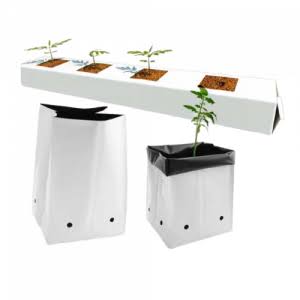
6. Grow Bags
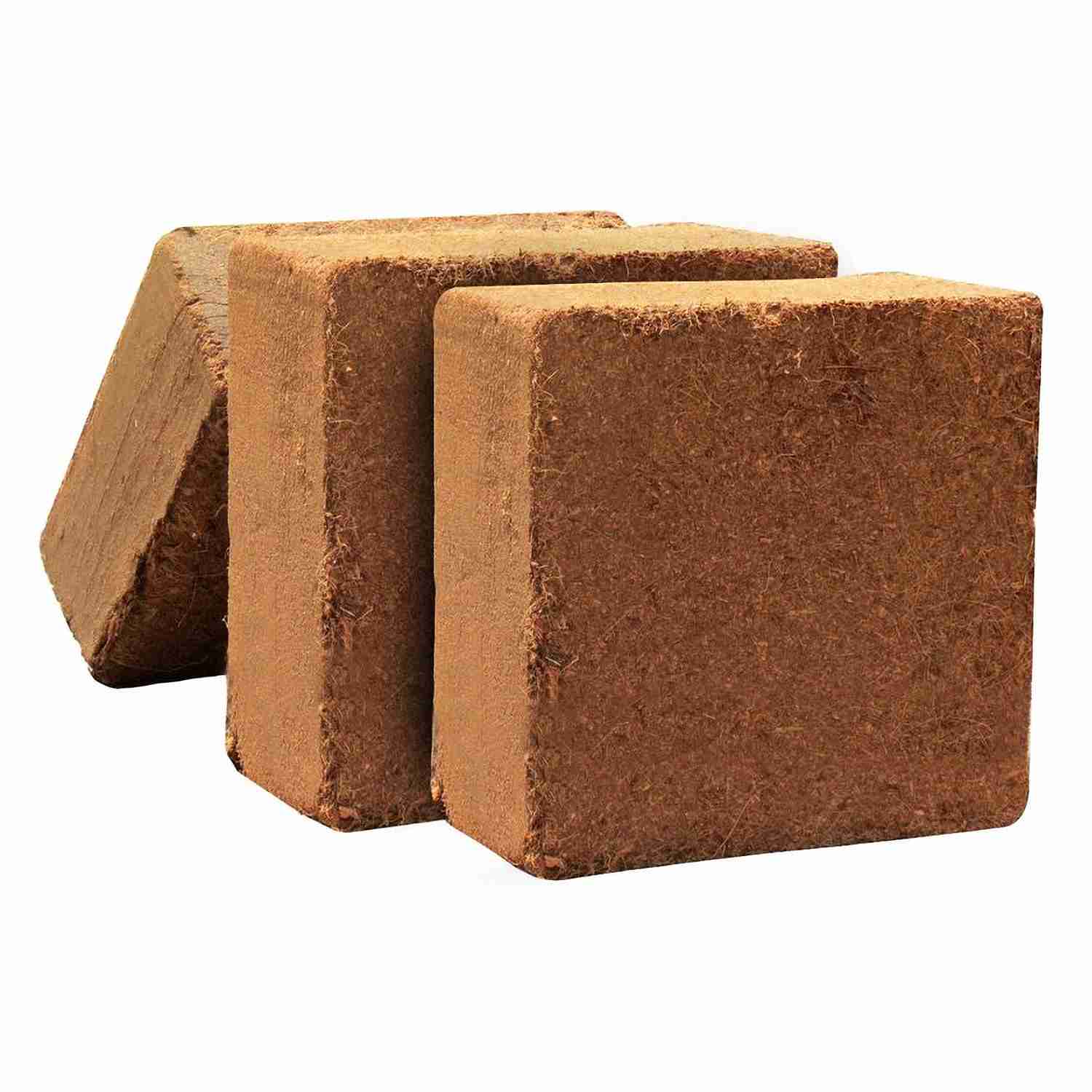
Cocopeat is commonly compressed and packed into horticultural grow bags.
After hydration, the material expands and provides a planting environment for commercial crops.
Grow bags are useful where growers want to standardize planting areas and manage irrigation and fertigation efficiently.
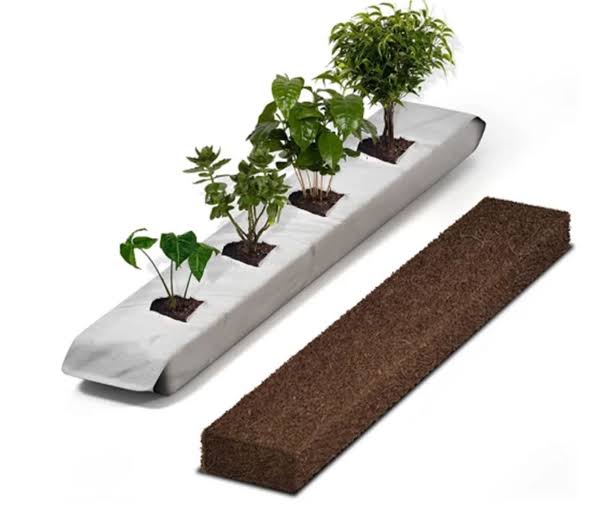
7. Grow Slabs
Cocopeat can also be supplied as compressed slabs designed for greenhouse cultivation.
Depending on formulation and particle structure, slabs can be engineered to provide a particular balance between water retention, drainage and aeration.
This makes them suitable for professional protected-crop production.
8. Container Gardening
Home gardeners can use cocopeat in pots, planters and containers.
It can improve the physical structure of growing mixes and help maintain moisture around plant roots.
Cocopeat is particularly useful where conventional garden soil is too heavy for container cultivation.
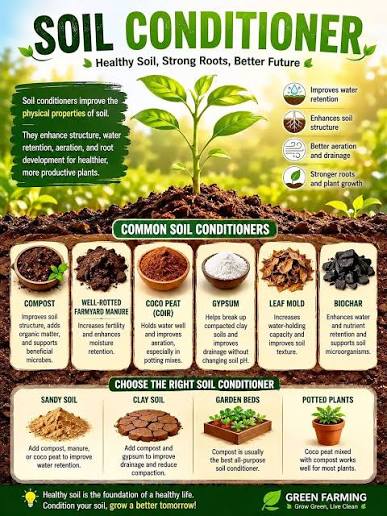
9. Soil Improvement
Cocopeat can also be incorporated into soil to improve physical characteristics.
For example, incorporating suitable quantities of coir into sandy soils can help increase moisture retention. It can also contribute to a lighter and more workable growing environment.
However, application rates should be selected according to soil type and crop requirements.
10. Landscaping and Ornamental Horticulture
Cocopeat can be incorporated into growing media used for ornamental plants, landscaping plants, hanging baskets and decorative containers.
Its lightweight characteristics can be particularly useful in container-based horticulture.
Selecting Cocopeat for Different Applications
Different horticultural applications require different physical characteristics.
For example:
Seed propagation:
Fine and uniform particles with suitable moisture retention.
Container plants:
A balanced structure providing both moisture retention and drainage.
Hydroponics:
Consistent particle size, predictable physical properties and appropriate EC.
Grow bags and slabs:
A carefully engineered blend designed for the crop and irrigation system.
Soil amendment:
A suitable grade that integrates effectively with the existing soil.
Conclusion
The versatility of cocopeat is one of its greatest advantages.
From a small seedling tray to a commercial greenhouse, cocopeat can be processed and supplied in different forms to suit different horticultural requirements.
The key is not simply choosing cocopeat, but choosing the right grade, particle size and quality specification for the intended application.