

Cocopeat: The Natural Growing Medium for Modern Horticulture
Modern horticulture is increasingly focused on growing plants efficiently while using water, nutrients and growing space more effectively. As growers look for reliable alternatives to traditional growing media, cocopeat—also known as coco coir or coir pith—has become an important growing medium for nurseries, greenhouses, commercial farms and home gardening.
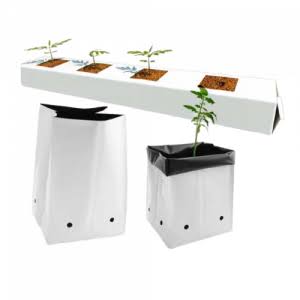
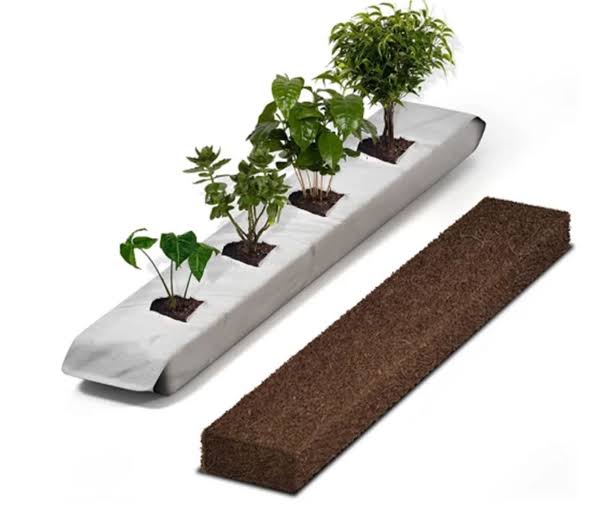
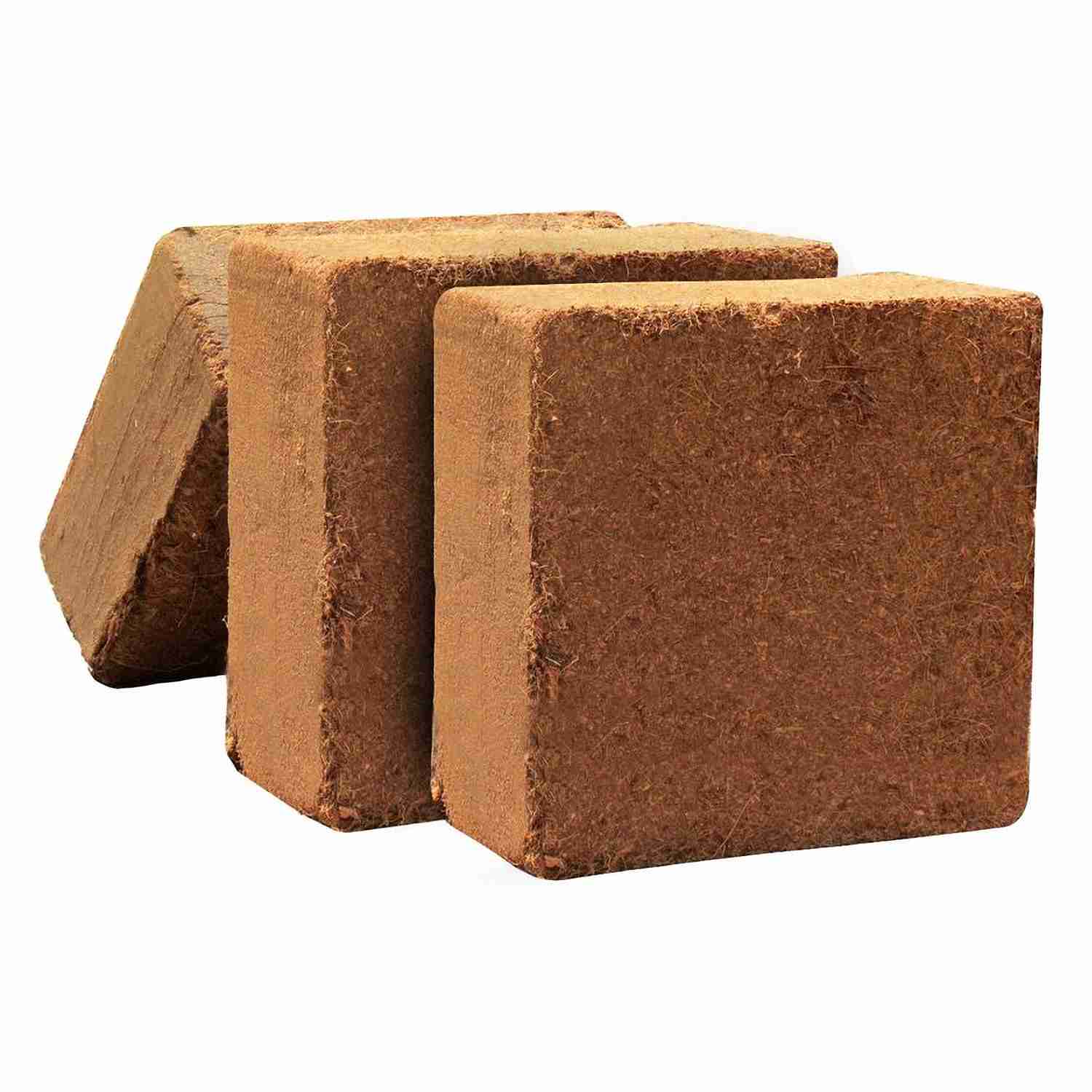
Cocopeat is produced from the fibrous husk of coconuts. During coconut-fibre processing, the fine coir pith that remains can be processed, cleaned, dried and compressed into horticultural products such as blocks, briquettes, grow bags, slabs and loose cocopeat.
Excellent Water-Holding Capacity
One of the most important characteristics of cocopeat is its ability to hold moisture while maintaining a porous structure.
A good growing medium needs to provide plants with access to water without creating permanently waterlogged conditions around the roots. Cocopeat can absorb and retain significant amounts of water while maintaining spaces for air movement.
This makes it particularly useful in:
- Greenhouse cultivation
- Container gardening
- Nursery production
- Seed propagation
- Vegetable cultivation
- Flower production
- Hydroponic and soilless growing systems
Good Aeration for Healthy Roots
Healthy roots need both water and oxygen. A growing medium that remains saturated for too long can restrict oxygen around the root zone.
Cocopeat has a naturally fibrous and porous structure that can provide a balance between moisture retention and air-filled spaces. The exact characteristics depend on particle size and processing.
Fine cocopeat generally provides greater moisture retention, while coarser materials such as coco chips or longer fibres can contribute more air space and drainage.
This allows growers to select or blend different cocopeat grades according to the crop and production system.
Supports Efficient Nutrient Management
Cocopeat can also contribute to nutrient management because its structure provides sites that can retain and exchange certain nutrients.
However, cocopeat should not simply be considered a complete fertilizer. The nutritional characteristics of cocopeat vary according to its source and processing, and commercial growers normally use a crop-specific nutrient programme.
For professional horticulture, important quality parameters include:
- pH
- Electrical conductivity (EC)
- Moisture content
- Particle size
- Water-holding capacity
- Air-filled porosity
- Sodium and chloride levels
- Degree of washing and buffering
Consistent quality is particularly important when cocopeat is used in commercial production.
Cocopeat in Soilless Cultivation
One of the most important applications of cocopeat is as a component of soilless growing systems.
Instead of relying on field soil, growers can use carefully prepared growing media to control the root environment more precisely. Cocopeat can be used alone or blended with materials such as perlite, vermiculite, bark, composted materials or other horticultural substrates.
It is particularly popular in greenhouse production where irrigation and fertigation can be carefully controlled.
A Useful Option for Sustainable Horticulture
Cocopeat is derived from coconut husks, making use of a material generated by the coconut-processing industry. Rather than allowing coir pith to remain an underutilized by-product, it can be processed into a valuable horticultural growing medium.
This combination of functionality and resource efficiency is one reason cocopeat has become increasingly important in modern horticulture.
Choosing the Right Cocopeat
Not all cocopeat products are identical.
Growers should consider the crop, irrigation system, container size and growing conditions before selecting a product. A product intended for seed propagation may have different physical characteristics from a grow slab designed for commercial vegetable production.
The most important consideration is consistent, tested quality.
Conclusion
Cocopeat offers a combination of water retention, aeration, lightweight handling and versatility that makes it suitable for many horticultural applications.
From professional greenhouse production to home gardening, cocopeat can provide a practical growing environment for healthy root development when the product is properly processed and matched to the crop.
For modern horticulture, cocopeat is more than a growing medium—it is an important tool for efficient and sustainable plant production.